

Surrogacy in India
Bioethics, Human Rights and Women’s Decision-Making Power
Field study on surrogacy in India, conducted in 2019-2020 by Dr Sheela Saravanan
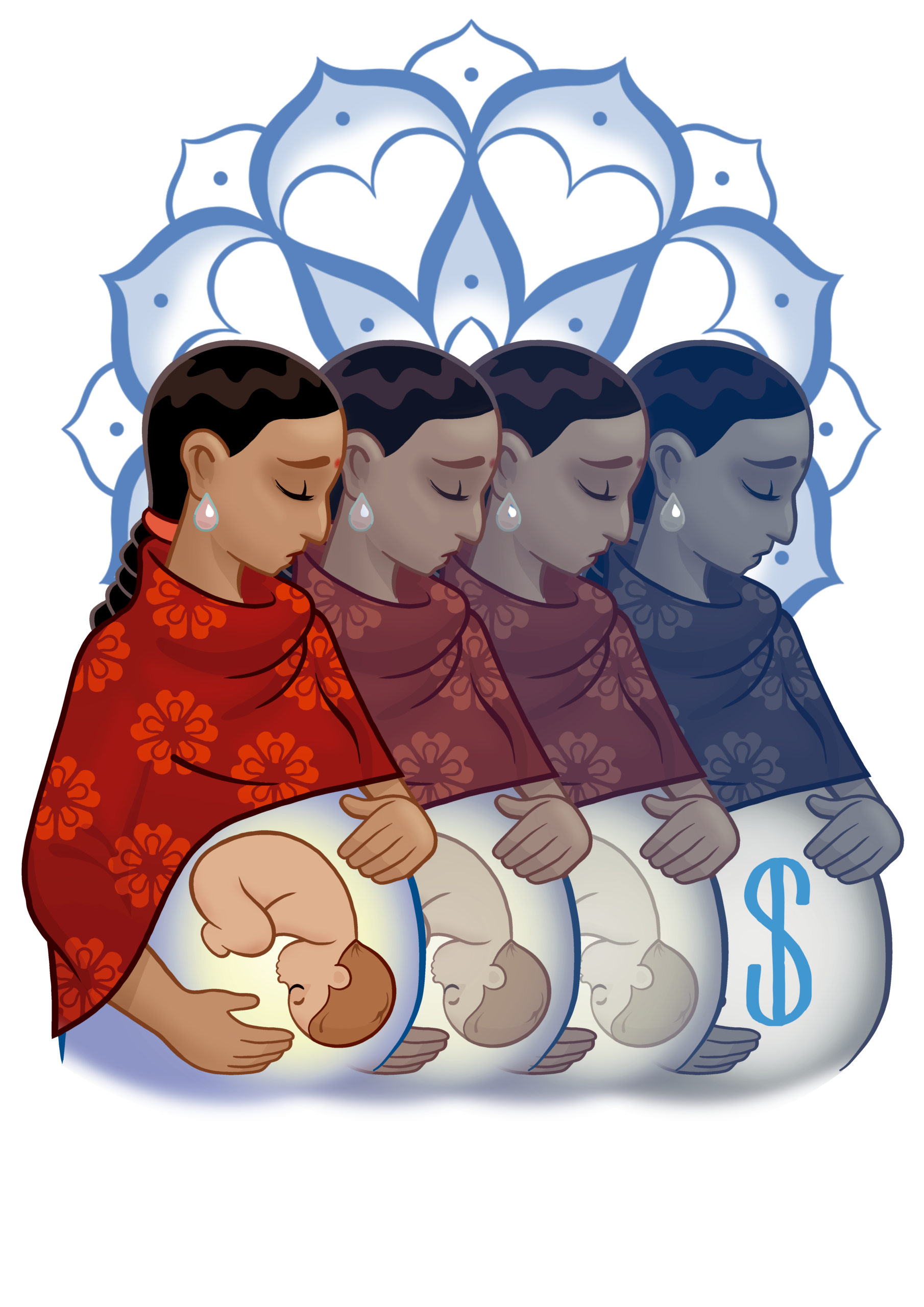
Surrogacy in India has undergone a profound transformation since Indian authorities banned its commercial form. The practice then shifted to a so-called « altruistic » form. This study, conducted by Dr Sheela Saravanan for the OENDDF, is a follow-up to her earlier research carried out in 2009-2010. It is based on 45 interviews with surrogate mothers, who had completed 63 surrogate pregnancies and given birth to 89 children between 2007 and 2017.
An unprecedented field study on surrogacy in India
All the surrogate mothers interviewed had completed their surrogacy journey in India at the time of the interviews. The study documents in detail the living conditions in surrogate hostels, the socio-economic profile of the women involved, the decision-making and selection process, the medical course of pregnancy and childbirth, and the long-term physical, psychological and financial consequences of the practice.
Main findings
On the ground, this study on surrogacy in India documents serious and persistent violations of human rights and medical ethics: women kept in surrogate hostels against their will, sex-selective abortions, contracts never handed over to the women concerned, and separation from the child carried out in ways judged inhumane. Women are selected according to their social class, age, skin colour, religion and caste. Payment varies according to these criteria — with economic hardship remaining the main reason women turn to the practice.
Nearly nine out of ten surrogate mothers interviewed (93%) equate surrogacy with a form of slavery. Two-thirds of them (67%) equate it with a form of sexual exploitation of their reproductive organs. The study also highlights the lasting physical and psychological impact of the practice, as well as the changing relationship with intended parents — generally described as warm during the pregnancy, then indifferent or even cruel after the birth.
The author concludes that surrogacy, far from being a simple exercise of reproductive freedom, perpetuates deeply entrenched relations of domination — economic, patriarchal and social. As such, it must be recognised as a form of universal human rights violation.
About the author
Dr Sheela Saravanan holds two master’s degrees in geography and development studies (universities of Mumbai and Pune, India) and a PhD from the School of Public Health at Queensland University of Technology (Brisbane, Australia), focused on childbirth practices in India. Her research, carried out notably at German universities, focuses on reproductive health, surrogacy and prenatal screening. The author of a reference work on commercial surrogacy in India, she has spoken on the subject at several international forums, including the United Nations.
📚 Download the full study (PDF)
Frequently Asked Questions
What does this study on surrogacy in India rely on?
The study is based on 45 interviews conducted by Dr Sheela Saravanan in 2019-2020 with surrogate mothers who had completed 63 surrogate pregnancies and given birth to 89 children between 2007 and 2017, following up on her earlier 2009-2010 research.
What are the study’s main findings?
The study documents serious human rights violations: women kept in surrogate hostels against their will, sex-selective abortions, contracts never handed over to the women, and separation from the child carried out in ways judged inhumane. 93% of the surrogate mothers interviewed equate surrogacy with a form of slavery, and 67% with a form of sexual exploitation of their reproductive organs.
What does the author conclude?
Dr Sheela Saravanan concludes that surrogacy perpetuates deeply entrenched economic, patriarchal and social relations of domination, and must be recognised as a form of universal human rights violation.
Field study on surrogacy in India, conducted by Dr Sheela Saravanan in 2019-2020, published in English by the European Observatory for Non-Discrimination and Fundamental Rights (OENDDF). This research was also presented as part of the OENDDF’s hearing before the French National Consultative Ethics Committee at the 2026 États généraux de la bioéthique, organised by the Comité consultatif national d’éthique.
Any partial or full reproduction must credit the source: OENDDF.